Crochet Shawl Free Pattern: A Beautiful, Cozy Accessory You Can Make Yourself
A crochet shawl is one of those handmade accessories that can make an ordinary outfit feel special. Whether you drape it over your shoulders on a chilly evening, wear it with a simple dress, or wrap yourself in it while enjoying a quiet afternoon, a handmade shawl offers both comfort and style.
What I love about shawl projects is their versatility. You can choose a soft, lightweight yarn for an elegant wrap or a thicker yarn for something warm and cozy. With the right stitch pattern and a beautiful color combination, even a simple crochet shawl can become a piece you reach for again and again.
In this guide, I’ll walk you through choosing materials, understanding the basic construction, following a shawl pattern, and adding those finishing touches that make a handmade accessory look polished. I’ll also share practical yarn recommendations and helpful tips for creating a shawl that suits your style.
Why Make a Crochet Shawl?
A crochet shawl is a rewarding project for beginners and experienced crocheters alike. Many designs use repeating stitches, so once you understand the pattern, you can settle into a comfortable rhythm.
Here are a few reasons to try one:
- Versatile styling: Wear your shawl over your shoulders, around your neck, or draped over a coat.
- Personalized colors: Choose shades that match your wardrobe or experiment with colorful yarn.
- A thoughtful handmade gift: A shawl makes a lovely present for birthdays, holidays, and other special occasions.
- Flexible sizing: Many shawls can be made larger or smaller by adjusting the number of pattern repeats.
- A relaxing project: Repeating stitch sequences can make crochet an enjoyable activity during your free time.
For this guide, the focus is a classic triangular shawl. Its shape is easy to style, and the gradual increase in width allows the fabric to grow into a beautiful wrap.
Materials You’ll Need
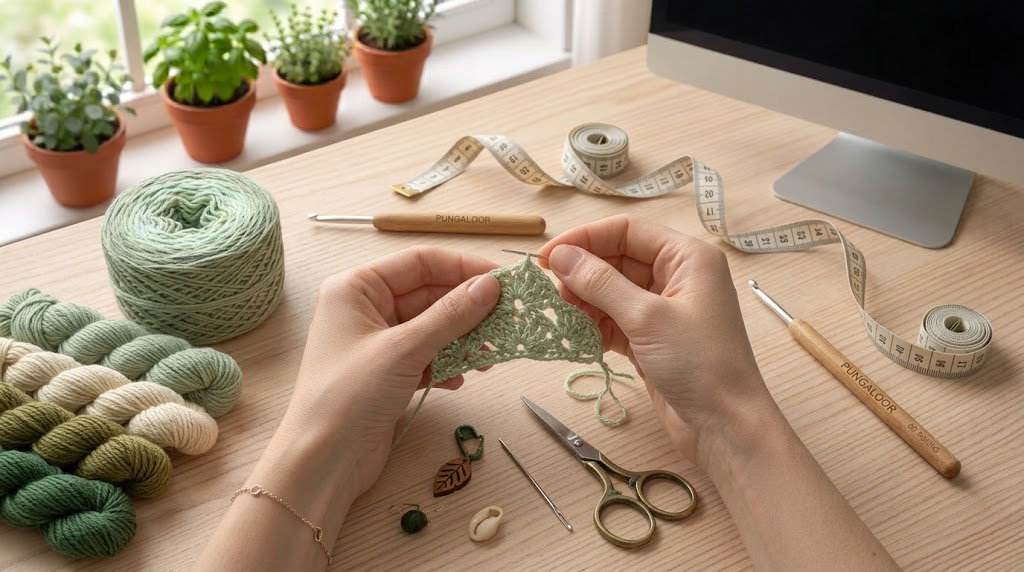
Before beginning, gather your supplies. Choosing suitable yarn and a comfortable hook makes a noticeable difference in the drape and appearance of the finished shawl.
1. Soft Yarn
Your yarn choice determines how warm, lightweight, or structured the shawl will feel.
For an everyday wrap, consider a soft DK-weight or lightweight yarn. Acrylic yarn is often affordable and easy to care for, while wool blends can offer warmth and a lovely natural feel. Cotton blends may work well for lighter seasonal designs, although they can drape differently from wool or acrylic.
For a fresh, nature-inspired color scheme, consider sage green, forest green, cream, olive, and soft mint. You could also use a green gradient yarn to create gentle color transitions without changing skeins frequently.
Check the original pattern’s recommended yarn weight and yardage before purchasing. If you substitute another yarn, the finished dimensions and amount of yarn needed may change.
2. A Suitable Crochet Hook
The correct hook size depends on the yarn and pattern. Many shawl designs use a hook between 4 mm and 6 mm, but you should follow the recommended size for your chosen design.
A slightly larger hook can produce a softer, more open fabric, while a smaller hook often creates denser stitches. Neither is automatically better; the right choice depends on the look and drape you want.
3. Tapestry Needle and Scissors
A tapestry needle helps you weave in loose yarn ends after finishing. Sharp scissors make it easier to trim yarn neatly.
4. Stitch Markers and a Measuring Tape
Stitch markers can help you identify important points in a repeating pattern, particularly when working along the edges of a triangular shawl.
A measuring tape is useful for checking the width and length as your project grows.
Two Helpful Amazon Products
You don’t need a large collection of supplies to crochet a beautiful shawl. I would start with yarn that suits the pattern and a hook that feels comfortable in your hand.
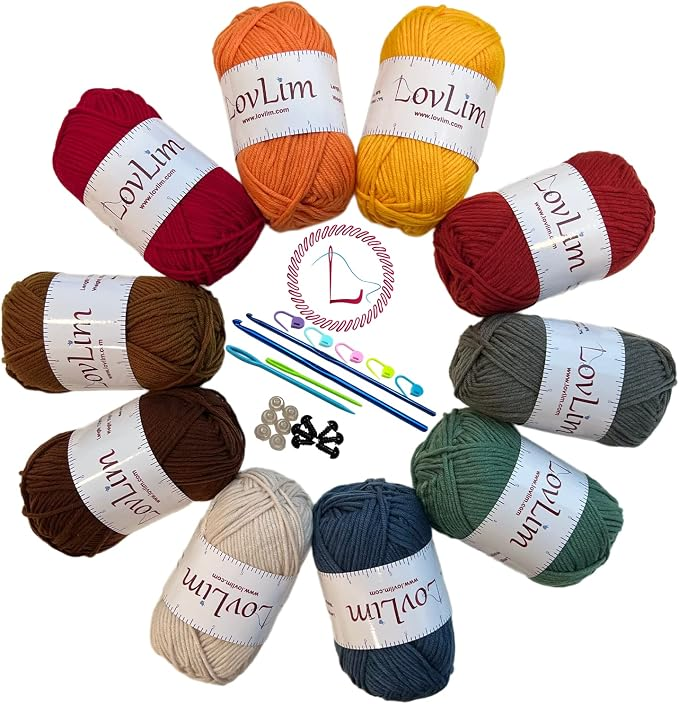
1. Soft yarn in green shades
A soft DK-weight yarn in sage, olive, or forest green is a practical choice for a nature-inspired shawl. If you prefer a colorful design, consider combining green with cream or a subtle mint shade.
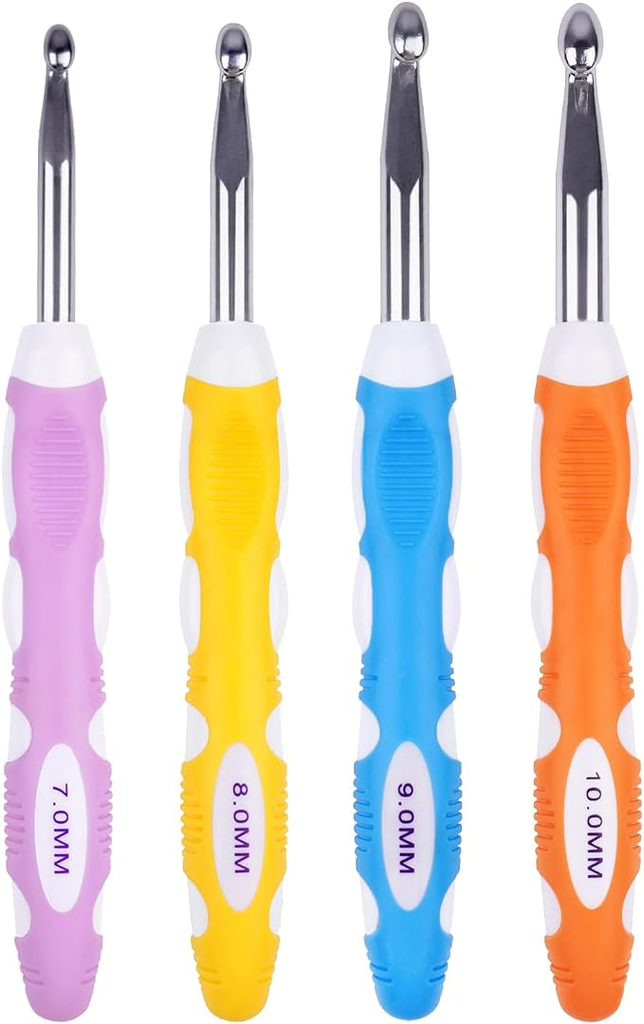
2. An ergonomic crochet hook set
An ergonomic crochet hook can be helpful when working on a larger project that involves many repeated stitches. A comfortable handle may reduce hand fatigue, although the best hook depends on your grip and personal preference.
Choose a set that includes the hook size required by your pattern, and check that the hook heads are smooth enough to glide through the yarn without snagging.
Understanding the Shape of a Crochet Shawl
Before picking up your hook, it helps to understand how your chosen shawl is constructed.
A triangular shawl typically begins at a point and grows wider as you work. Depending on the pattern, increases may be placed at the beginning and end of rows, in the center, or at several points throughout the design.
Other shawls are worked from the widest edge downward, while rectangular wraps are often made in long rows.
The stitch pattern also affects the final appearance. Simple stitches create a clean, classic fabric, while openwork stitches form decorative holes that can make a shawl feel light and airy.
For the best results, follow the original pattern’s construction instructions rather than mixing techniques from different designs.
How to Crochet a Triangular Shawl
The following steps explain the general process for a triangular shawl. Exact stitch counts and row instructions will depend on the pattern you choose.
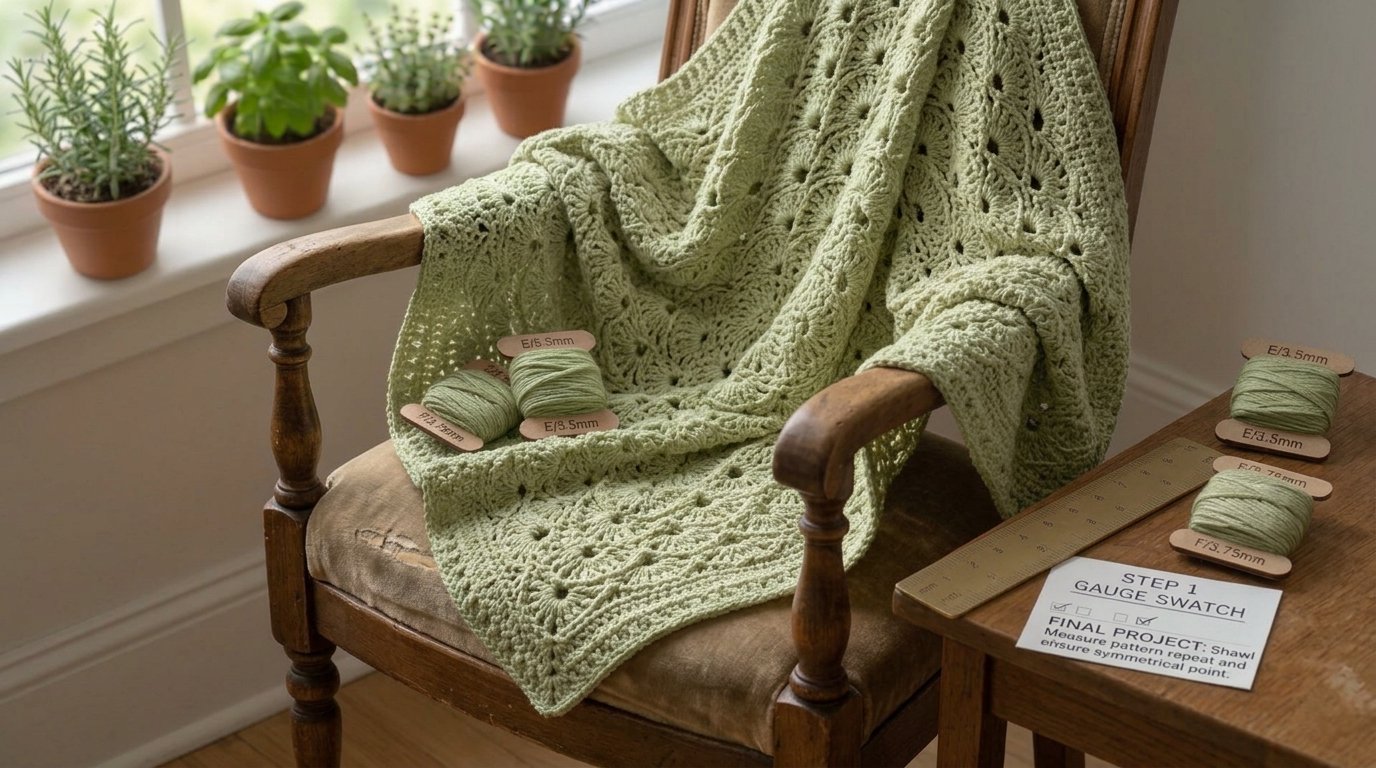
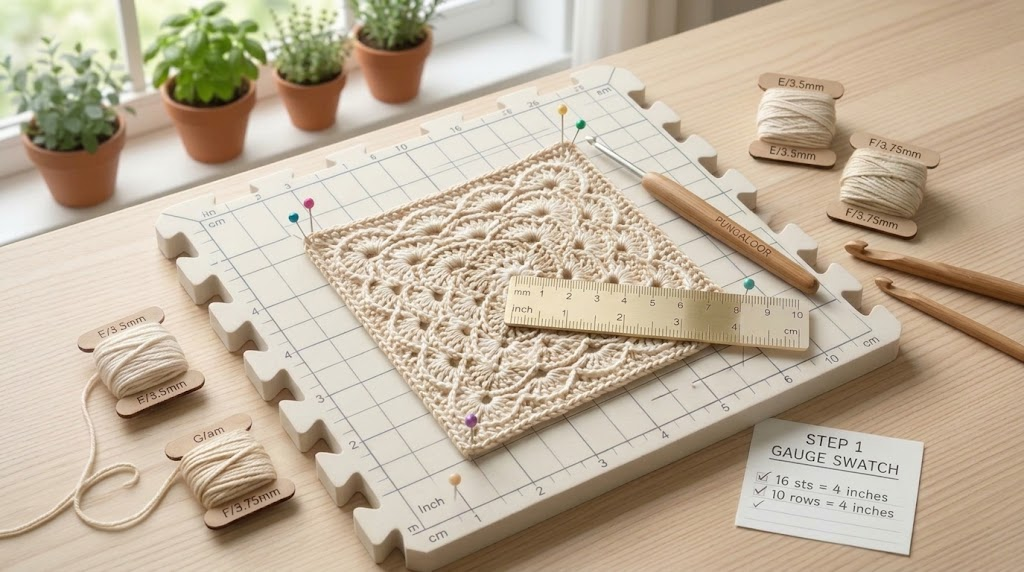
Step 1: Make a Small Gauge Swatch
Start with a small sample using your selected yarn and hook. This helps you see how the stitches look and how flexible the fabric feels.
If the fabric is too stiff, consider trying a larger hook. If it looks too loose, a smaller hook may provide better structure.
A gauge swatch is especially helpful when you want the finished shawl to match a particular size.
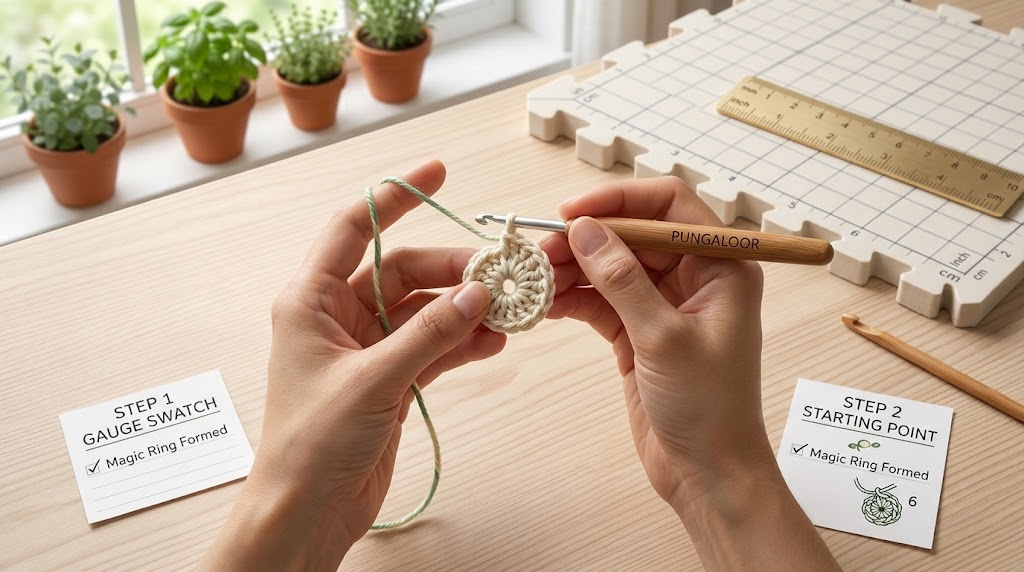
Step 2: Begin at the Starting Point
Many triangular shawls start with a small chain or a magic ring, depending on the design.
Work the first row carefully and count your stitches. The beginning establishes the shape for the rest of the project, so it’s worth taking your time.
Step 3: Follow the Increase Pattern
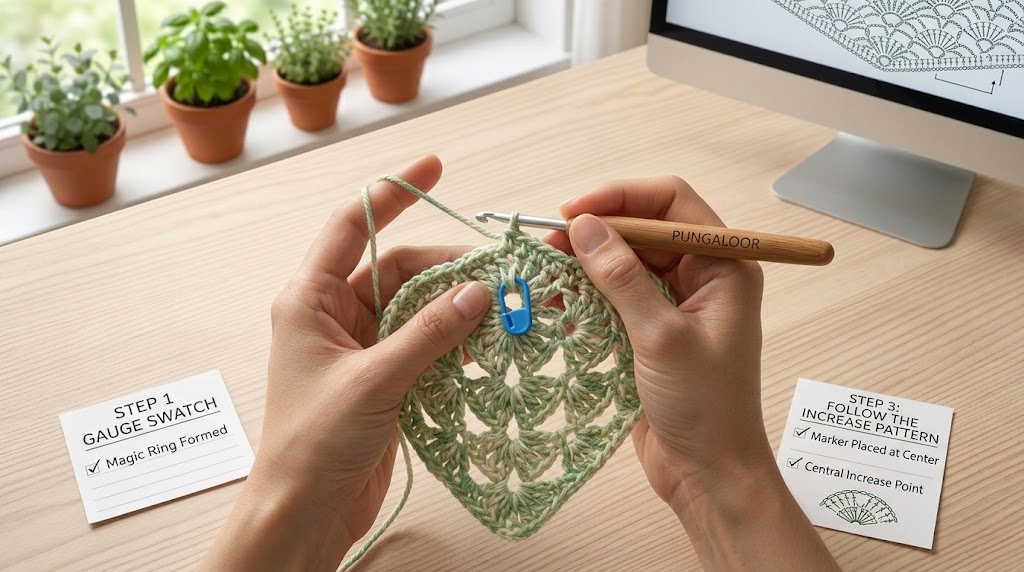
Continue working the designated stitches and increases to widen the shawl.
Some patterns use simple double crochet stitches, while others include clusters, shells, or lacework. Keep track of the row repeats and pay attention to any special instructions at the edges.
If the pattern includes a central increase, use a stitch marker if it helps you identify that point.
Step 4: Repeat the Main Stitch Pattern
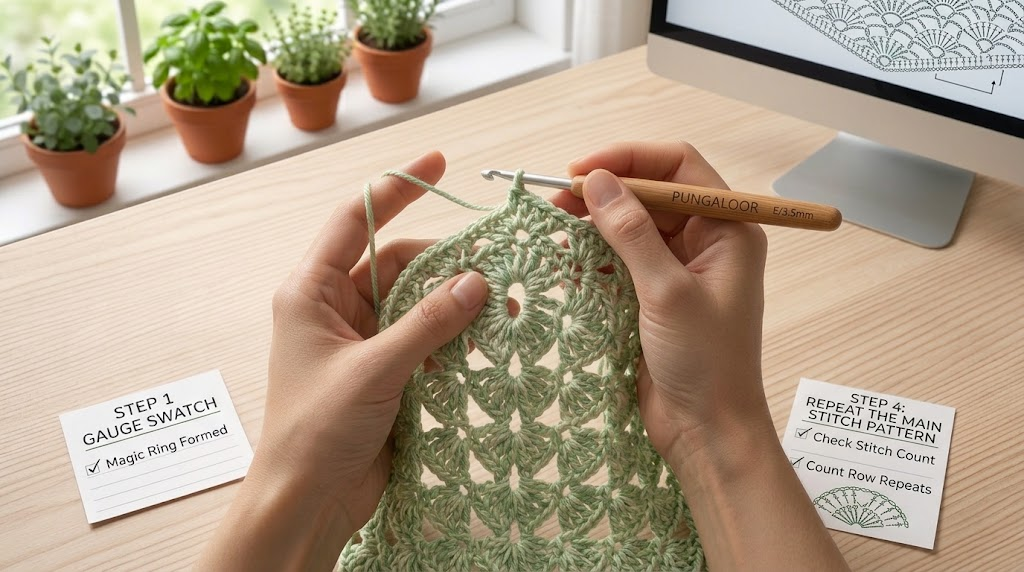
Once the initial rows are complete, much of the project may involve repeating the same sequence.
This is a good time to enjoy the process rather than rushing. Compare the latest row with the previous one, and check your stitch count at regular intervals.
If you’re using a multicolored yarn, the colors may create interesting patterns as the shawl grows. With solid green yarn, the stitch texture will become the main visual feature.
Step 5: Continue Until You Reach the Desired Size
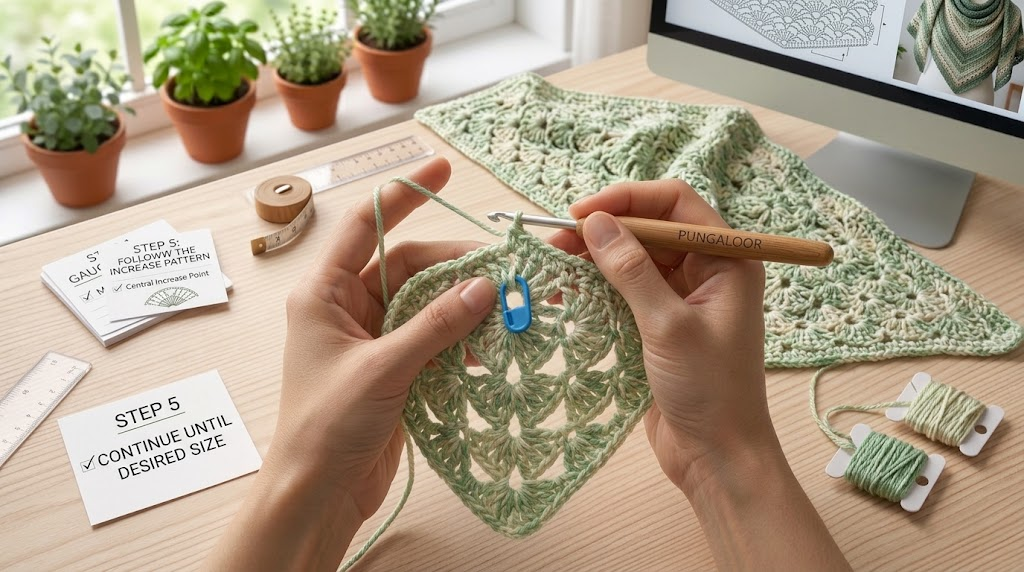
Keep working until the shawl reaches the dimensions specified by the pattern or the size you prefer.
Remember that different yarns and tensions produce different results. A shawl made with a thicker yarn may become larger more quickly, while a lighter yarn may produce a smaller, more delicate wrap.
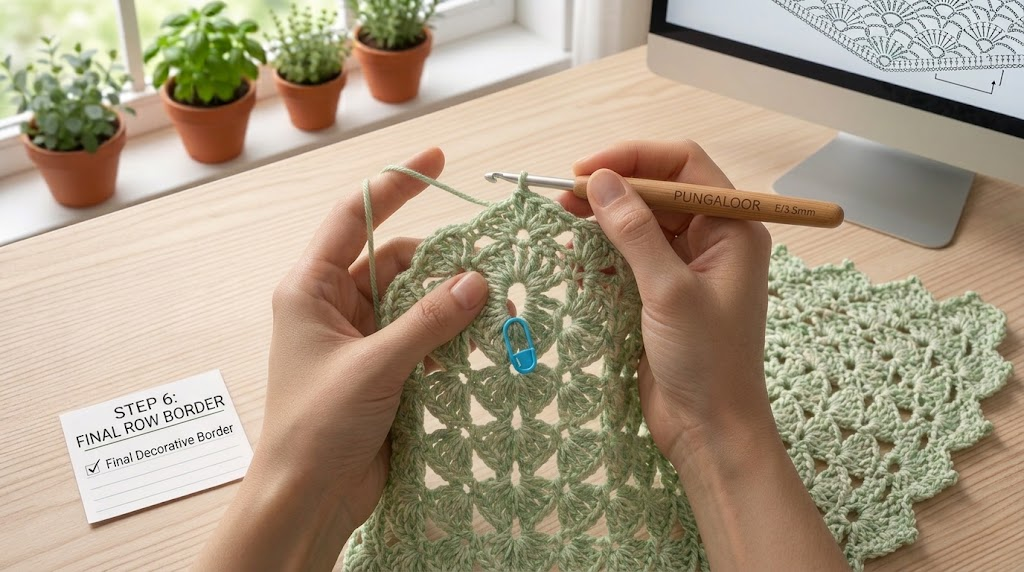
Step 6: Finish the Final Row
Follow the pattern’s instructions for the last row. Some shawls have a simple edge, while others include decorative borders or additional texture.
A neat final row helps the shawl maintain its shape and creates a clean finish.
Step 7: Weave in the Ends and Block
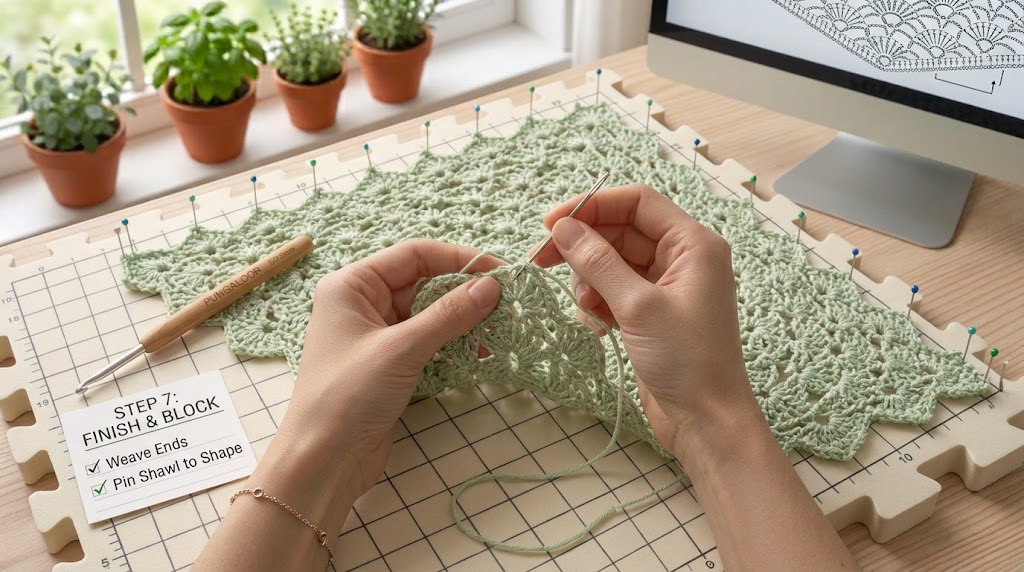
Secure all loose yarn ends using a tapestry needle.
Blocking can help even out the stitches and improve the shawl’s drape. Pin the piece to the desired shape on a suitable surface, following the yarn manufacturer’s care instructions. Allow it to dry fully before removing the pins.
Choose a blocking method that is safe for your yarn, and avoid applying heat or steam to fibers that cannot tolerate it.
Tips for a Beautiful Finished Shawl
Choose yarn for drape, not just color. A beautiful shade won’t help if the finished fabric feels too stiff. Check the yarn’s texture and test a small sample before committing to a large project.
Count your stitches regularly. Missing an increase can gradually change the shape of a triangular shawl.
Use stitch markers when helpful. They can make important pattern points easier to identify.
Keep your tension consistent. Uneven tension can make the edges look wavy or cause the shawl to twist.
Take your time with finishing. Weaving in ends and blocking the fabric can improve the overall appearance considerably.
Creative Ways to Style Your Crochet Shawl
A green crochet shawl works beautifully with neutral outfits. Try a sage-green wrap over a cream sweater, or pair a forest-green shawl with a black coat for a classic winter look.
For a more colorful accessory, combine several shades of green with cream, mustard, or soft pink. A subtle color transition can give your shawl a distinctive look without requiring complicated stitchwork.
You can also make shawls for different seasons. Choose a lightweight yarn and open stitches for spring and summer, or a warmer fiber and denser fabric for colder weather.
If you’re making a shawl as a gift, consider the recipient’s favorite colors and how they usually dress. A thoughtful color choice can make the finished piece feel especially personal.
Final Thoughts
A crochet shawl is a wonderful way to combine creativity, comfort, and personal style. With suitable yarn, a comfortable hook, and a pattern you enjoy, you can create a beautiful accessory that works for everyday wear or special occasions.
My advice is to begin with a manageable stitch pattern, check your gauge, and work steadily through the increases. Don’t worry about rushing to the finish. Enjoy watching the fabric grow and seeing your chosen colors come together.
Whether you choose a soft sage wrap, a rich forest-green shawl, or a colorful design with several shades, the result can be a handmade piece you’ll be proud to wear or give to someone special