
How to Become a Crochet Pattern Tester: A 5-Step Beginner’s Guide
Have you ever finished a crochet project and thought, “I wish I could try patterns before everyone else”?
That is exactly what attracted me to crochet pattern testing.
A crochet pattern tester gets the opportunity to work with a designer before a pattern is officially released. Instead of simply making something for fun, you are helping check whether the written instructions actually make sense, whether the measurements work, whether the stitch counts are correct, and whether another crocheter can realistically follow the pattern.
What I love about the idea of pattern testing is that it combines two things I already enjoy: crocheting and paying attention to the little details.
It can also be a wonderful way to improve your crochet skills, meet other makers, build a portfolio of finished projects, and become more confident reading patterns.
However, pattern testing is not simply about receiving a free pattern and making something pretty. A good tester needs to be reliable, honest, observant, and willing to give useful feedback.
If you are wondering how to become a crochet pattern tester, here are the five steps I would follow.
1. Understand What a Crochet Pattern Tester Actually Does
Before applying for testing opportunities, I think it is important to understand what the job involves.
A crochet pattern tester receives a draft pattern from a designer and makes the project according to the instructions. While working, the tester looks carefully for anything that could confuse the person who eventually purchases or downloads the finished pattern.
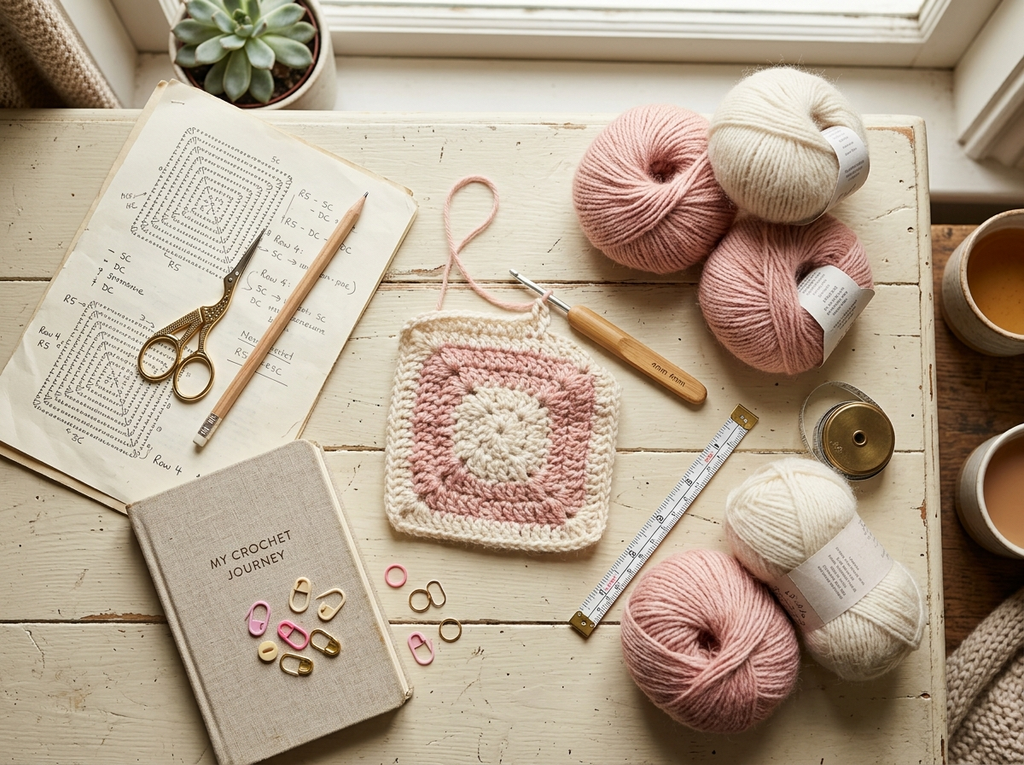
For example, I would pay attention to:
- Incorrect stitch counts
- Missing instructions
- Confusing wording
- Typographical errors
- Incorrect abbreviations
- Problems with measurements
- Unclear photographs or tutorials
- Instructions that do not match the finished project
- Yarn or hook information that seems incorrect
The tester may also be asked to provide information about the project, such as the yarn used, hook size, finished measurements, amount of yarn consumed, and photographs of the completed item.
Testers commonly receive an early draft and provide feedback after making the project. The guide also notes that pattern testing is often voluntary rather than a paid position.
That last point is important.
I would never approach pattern testing expecting it to be a guaranteed source of income. Think of it primarily as a creative collaboration and a way to gain experience.
Some designers may provide a free pattern, materials, discounts, or other benefits, but every designer has different rules. Always read the testing requirements before agreeing to participate.
2. Build the Crochet Skills Designers Are Looking For
You do not necessarily need to be an expert crocheter to become a tester.
What you do need is the ability to follow a crochet pattern carefully.
I would focus on becoming comfortable with common stitches and techniques before applying. You should ideally understand basic stitches such as single crochet, half double crochet, double crochet, slip stitch, increases, decreases, working in rounds, and working in rows.
For garment testing, it is especially useful to understand sizing and gauge.
Gauge is one of the most important parts of pattern testing because a small difference in tension can change the final size of a project.
For example, imagine a sweater pattern is designed to measure 20 inches across the chest. If your stitches are much tighter than the designer’s gauge, your finished sweater may be considerably smaller.
That is why I never like to skip a gauge swatch when size matters.
The specifically highlights gauge as critical during testing and recommends starting with the designer’s suggested hook size, making a gauge swatch, and adjusting the hook if necessary to achieve the specified dimensions.
My beginner-friendly skill checklist
Before applying for your first test, ask yourself:
Can I read crochet abbreviations?
You should be able to understand the terminology used in the pattern.
Can I count stitches accurately?
This becomes especially important when checking whether written instructions produce the correct number of stitches.
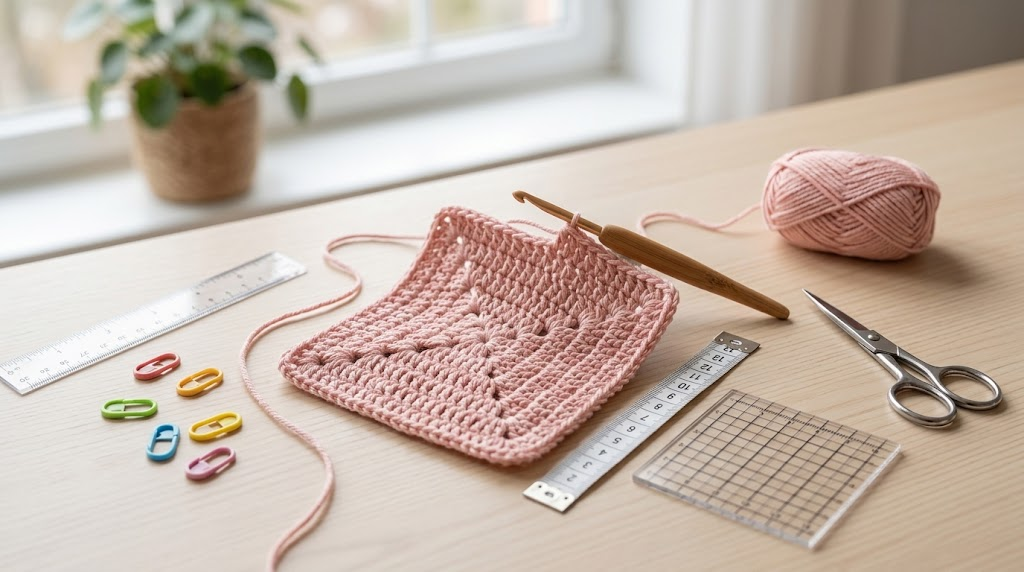
Can I measure my finished project?
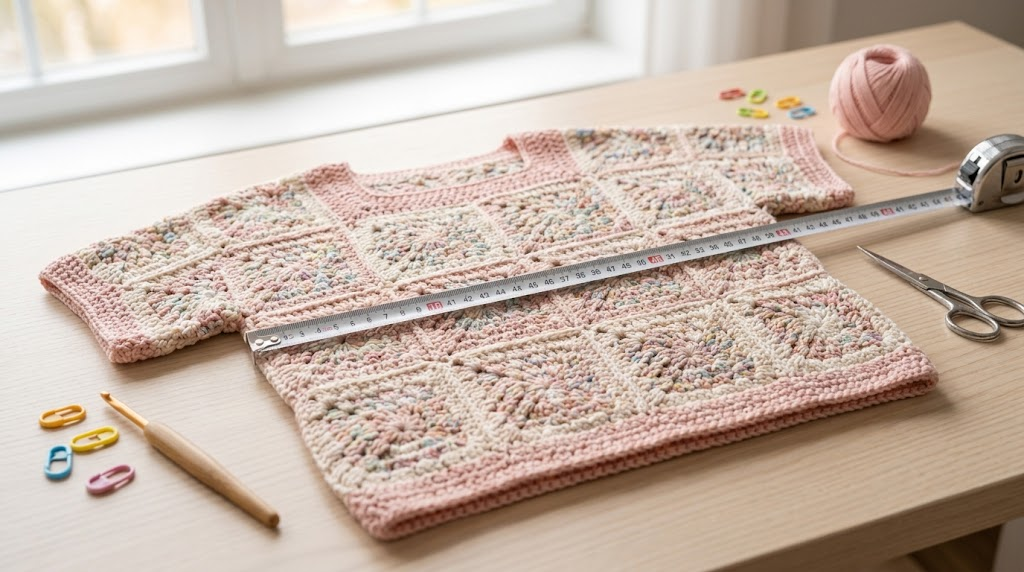
A measuring tape is useful for checking dimensions and comparing them with the designer’s measurements.
Can I make a gauge swatch?
You should understand why gauge matters and how to adjust your tension or hook size.
Can I follow written instructions without constantly needing someone else to explain them?
You do not have to know everything. But you should be comfortable working independently.
Remember, the purpose of testing is not to prove that you are a perfect crocheter. It is to help the designer discover what works and what might confuse another crocheter.
3. Find Crochet Pattern Testing Opportunities and Create a Strong Profile
Once you feel comfortable with your crochet skills, the next step is finding designers who are looking for testers.
This is where social media can become extremely useful.
Many crochet designers announce testing calls through platforms such as Instagram and Facebook. Some use application forms, while others maintain tester lists and contact people when a suitable project becomes available.
I would start by following crochet designers whose patterns genuinely interest you.
Look at the type of projects they create.
If you mostly crochet accessories, you may not want your first test to be a complicated garment. If you love crochet bags, look for designers who create bags and accessories.
This makes the process more enjoyable and gives you a better chance of producing a project that represents your strengths.
Create a public crochet portfolio
One thing I would take seriously is your online portfolio.
You do not need thousands of followers.
A designer may simply want to see examples of your crochet work and understand whether you can photograph finished projects clearly.
Your profile could include:
- Crochet projects you have completed
- Clear finished-project photographs
- Flat-lay crochet photos
- Different stitches and techniques
- Garments you have made
- Accessories and home décor
- Your crochet progress
- Short project descriptions
I explains that designers may look at a tester’s public Instagram profile and the quality of their photographs when selecting testers.
This makes sense to me because your photographs can demonstrate more than photography skills.
They can show that you finish projects, pay attention to presentation, and understand how to display handmade work.
You do not need an expensive camera
This is something I really want beginners to know.
You can take beautiful crochet photographs with a modern smartphone.
Natural daylight can make a huge difference. I prefer a simple background where the crochet item remains the main focus rather than a busy setup with too many objects.
If your current crochet photos are dark or cluttered, spend some time improving them before applying for tests.
4. Treat Every Pattern Test Like a Real Project
Getting selected as a tester can feel exciting, but this is where the real responsibility begins.
When I receive a new pattern, I would first read the entire document before picking up my hook.
This simple step can save a lot of frustration.
Check:
- Recommended yarn
- Yarn weight
- Hook size
- Gauge
- Finished measurements
- Size options
- Stitch abbreviations
- Special techniques
- Pattern terminology
- Testing deadline
Then make your gauge swatch if one is required.
After that, start the actual project.
Keep track of your yarn
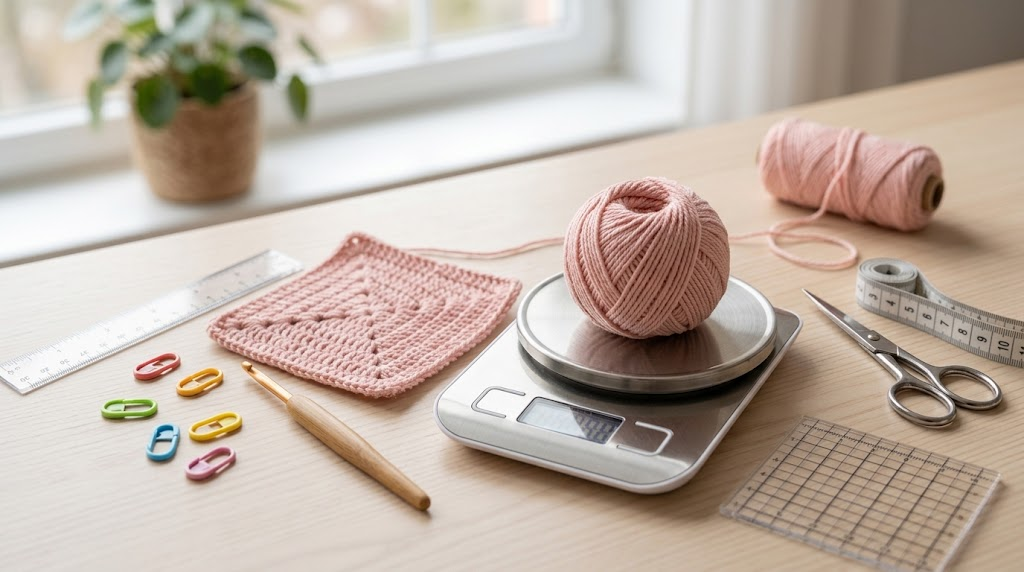
One of the most useful habits for pattern testing is recording how much yarn you use.
If the designer asks for yardage information, guessing is not particularly helpful.
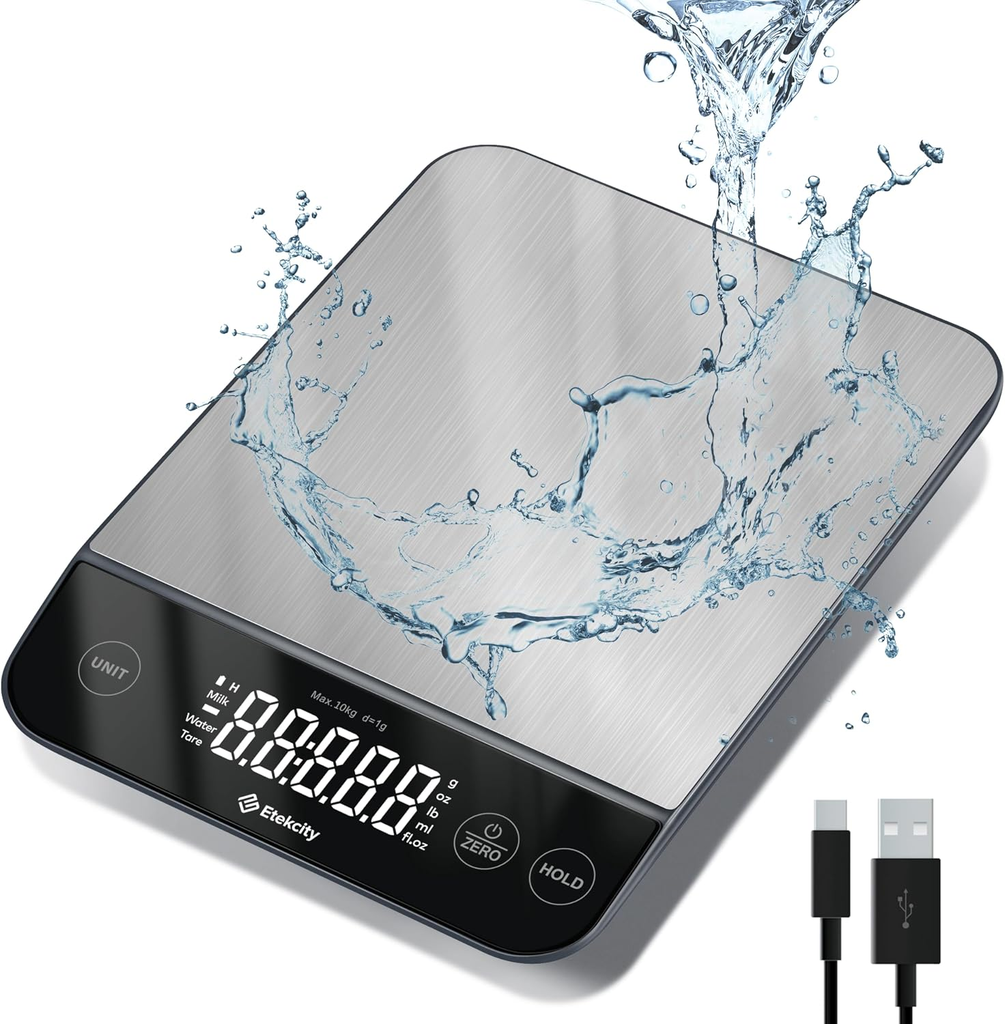
A digital scale can make this process much easier. Weighing your yarn before and after the project can help you provide a more useful estimate of how much yarn was actually consumed.
The recommends tracking yarn weight before and after a test to help determine more accurate yardage requirements.
I would keep a simple testing note such as:
Project: Crochet Cardigan
Yarn: Yarn brand and color
Hook: 5 mm
Gauge: 16 stitches × 12 rows
Finished size: 20 inches
Yarn used: ___ grams
Notes: Section 4 needs clarification
This turns your experience into useful information for the designer.
Start early
Do not wait until the deadline is almost over.
Even if the designer gives you several weeks, unexpected things can happen. You might need to undo several rows, discover a problem with the gauge, or realize that your chosen yarn behaves differently than expected.
Starting early gives you time to ask questions and complete the test without unnecessary pressure.
5. Give Honest, Kind and Useful Feedback
This may be the most important part of becoming a valuable crochet pattern tester.
A tester is not there simply to say, “Everything looks great!”
The designer needs honest feedback.
But there is a big difference between being honest and being harsh.
Instead of writing:
“This section is confusing.”
I would try to explain why:
“I understood the first two rows, but I wasn’t sure where to place the next increase. Adding a stitch count at the end of the section might make this easier to follow.”
That gives the designer something they can actually work with.
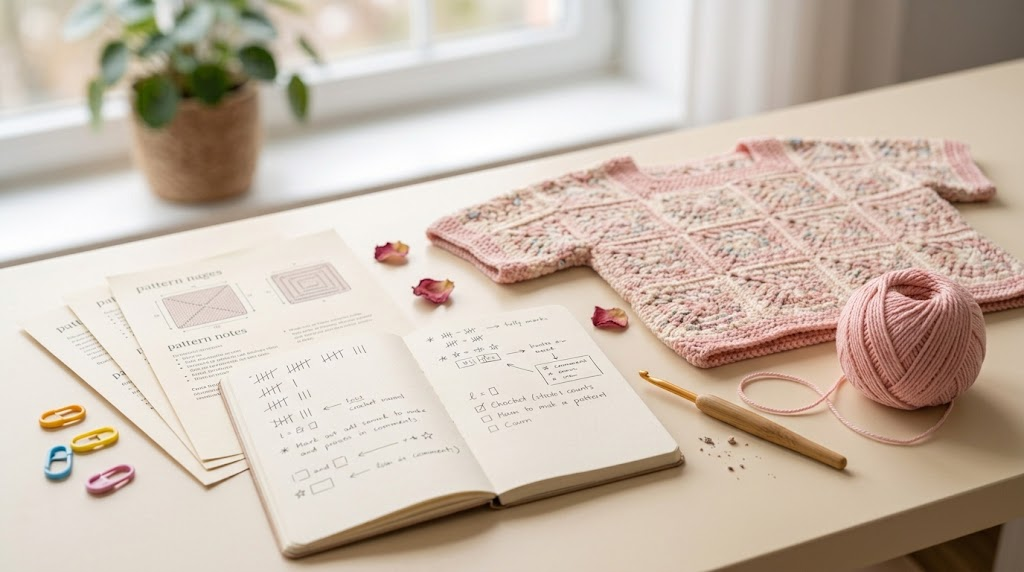
You should also record small issues while crocheting instead of relying on your memory at the end.
If something feels unusual, make a note.
If the stitch count does not work, write it down.
If the instructions say one thing but the photograph shows something different, record that too.
The recommends keeping notes and giving feedback that is thorough, honest, kind, and constructive. It also emphasizes that testers are helping designers improve their patterns rather than simply judging their work.
Photos are part of your feedback
When your project is finished, take clear photographs.
Try to show:
- The complete project
- Close-up stitch details
- Different angles
- Important construction details
- The finished measurements when appropriate
Good photographs can also help you build your tester portfolio for future opportunities.
What Makes a Great Crochet Pattern Tester?
After looking at the entire process, I think the best testers have several qualities in common.
Reliability
If you agree to test a pattern, respect the deadline.
Attention to detail
Small mistakes matter because the purpose of testing is to identify problems before publication.
Good communication
If you have a question, ask rather than silently guessing.
Honesty
Do not tell a designer that everything worked perfectly if it did not.
Patience
You may need to unravel and redo part of a project.
Kindness
Remember that there is a real person behind the pattern.
Good photography
Clear photos help designers see your finished work and can strengthen your tester portfolio.
Can Beginners Become Crochet Pattern Testers?
Yes, beginners can apply, but I would be realistic about your current skill level.
You do not have to know every crochet technique. However, you should be able to follow patterns independently and understand the basic terminology required for the project.
For your first test, I would choose something that matches your existing abilities.
If you are comfortable making crochet bags, start there.
If you are confident with blankets, look for blanket tests.
If you have experience with garments, you can eventually try sweaters, cardigans, tops, and dresses.
Do not choose the most complicated pattern you can find simply because it looks impressive.
A successful first test is more valuable than an unfinished complicated one.
Final Thoughts
Becoming a crochet pattern tester is not really about getting free patterns.
For me, the bigger attraction is the opportunity to learn, create, notice details, and become part of the crochet community.
You get to see patterns before they are released, work alongside other crocheters, and help designers improve their instructions. The experience can also encourage you to become more confident with gauge, sizing, photography, pattern reading, and constructive communication.
If you want to get started, keep it simple.
Improve your crochet skills.
Create a small portfolio.
Take better photographs.
Follow designers you genuinely like.
Watch for testing calls.
Apply when the project matches your abilities.
And when you finally get selected, take the responsibility seriously.
A good crochet pattern tester is not simply someone who can crochet.
A good tester is someone who can crochet carefully, communicate clearly, notice details, meet deadlines, and give useful feedback.
That combination can make you a tester that designers are happy to work with again.
Ready to start? Pick a crochet project you love, practice your pattern-reading skills, and begin building your tester portfolio one project at a time.
2 Helpful Amazon Product Recommendations
Affiliate disclosure: If you purchase through an affiliate link, I may earn a commission at no additional cost to you. Product availability and prices can change.
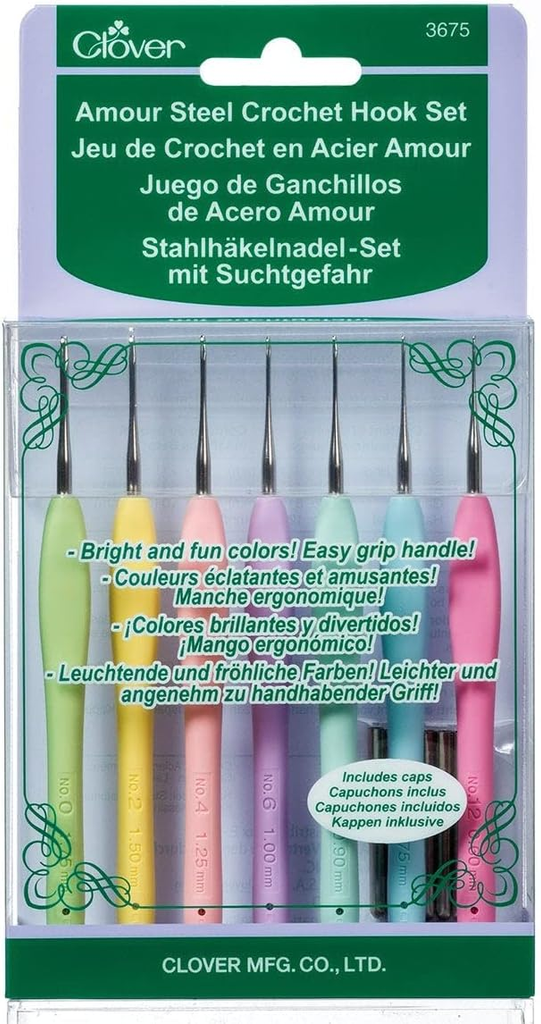
1. Clover Amour Crochet Hook Set
This is a practical recommendation for pattern testers because testing often means working with different yarn weights and hook sizes. Having several commonly used hook sizes together makes it easier to make gauge adjustments without buying individual hooks every time. The Clover Amour set is a well-known option among crocheters; an Amazon product listing for the set is available.
2. Etekcity Digital Kitchen Scale
A small digital scale is particularly useful for pattern testing because yarn usage is often recorded by weight. The Etekcity scale supports grams and ounces and has a tare function, making it convenient for weighing yarn before and after a project. Current Amazon availability has been documented for this model, although price and stock can change.