Easy Points for Making a Beautiful Diamond Crochet Blanket
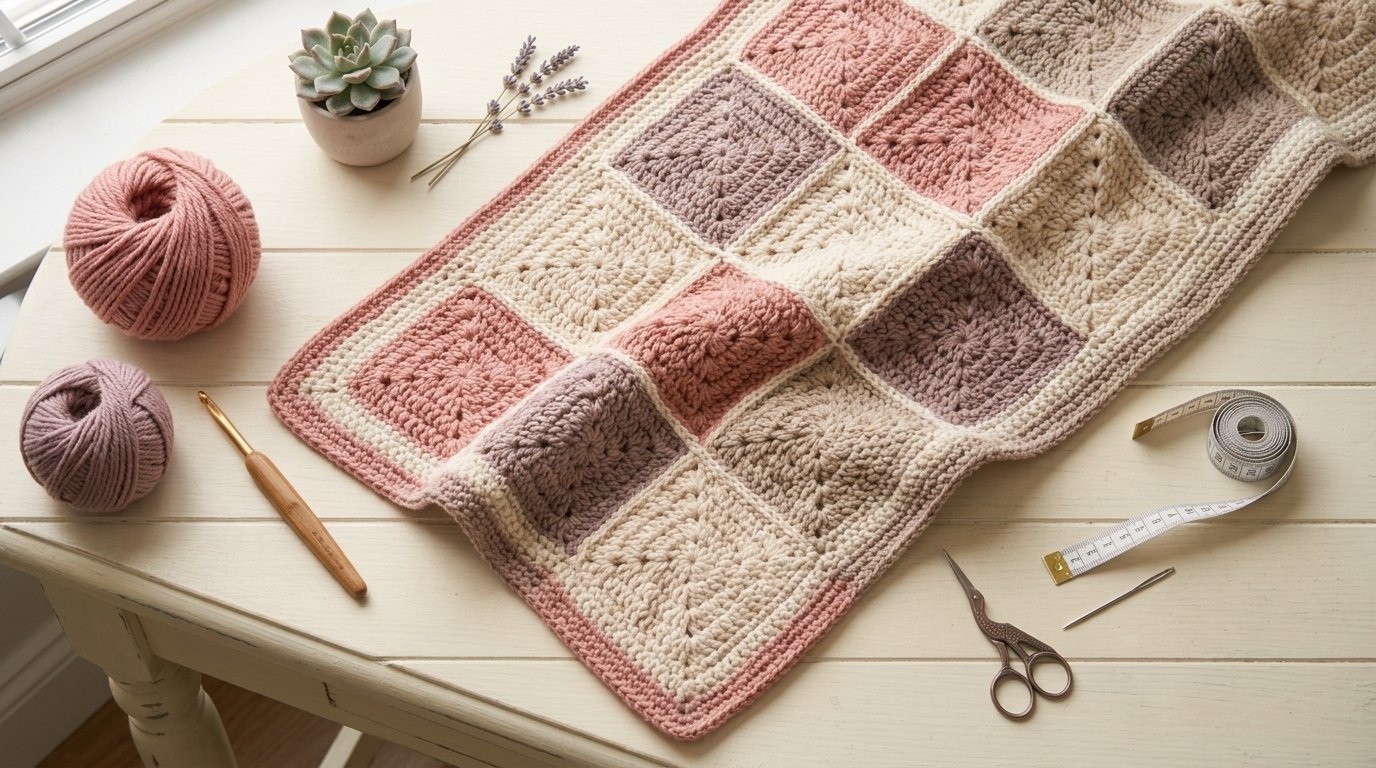
A diamond crochet blanket is one of those projects that looks much more complicated than it actually is. When I first started working with geometric crochet designs, I was always drawn to blankets with repeating shapes because they looked detailed and carefully planned. The good news is that you do not necessarily need complicated stitches to create that effect.
The secret is usually color placement, repetition, and consistent tension.
A simple cluster-based stitch can create an eye-catching diamond appearance when different colors are introduced in the right places. That makes this style of blanket especially appealing to crocheters who want something decorative without spending every row learning a completely new technique.
In this guide, I am sharing five practical points that I would focus on when making a diamond crochet blanket. These tips cover choosing yarn, understanding the stitch structure, managing multiple colors, keeping the diamonds neat, and finishing the blanket professionally.
The result can be a cozy throw, nursery blanket, sofa accent, or handmade gift.
1. Start With the Right Yarn and Color Combination
For a diamond blanket, yarn selection is more important than many beginners realize.
The stitch pattern creates the visual texture, but the colors are what make the diamonds stand out.
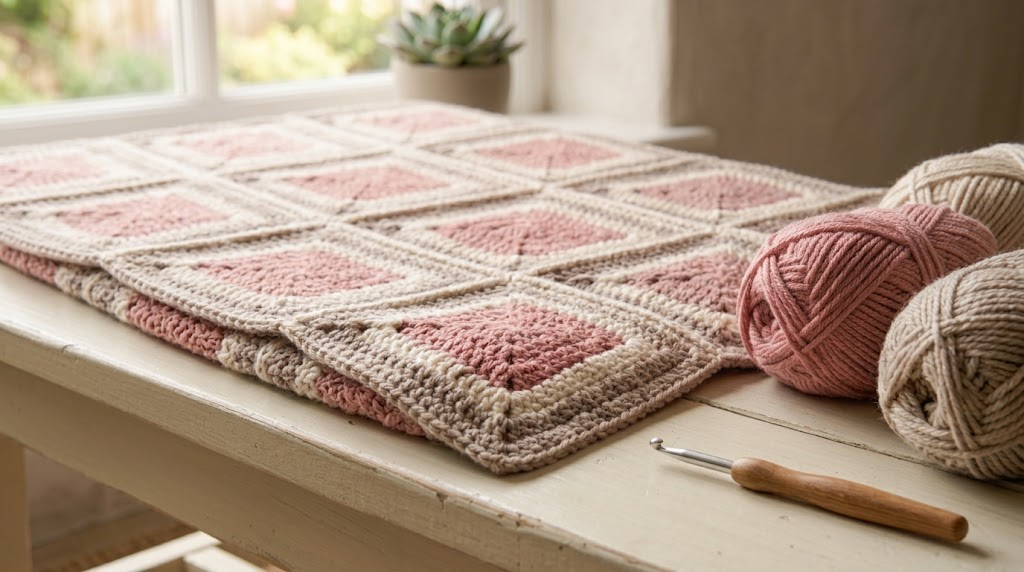
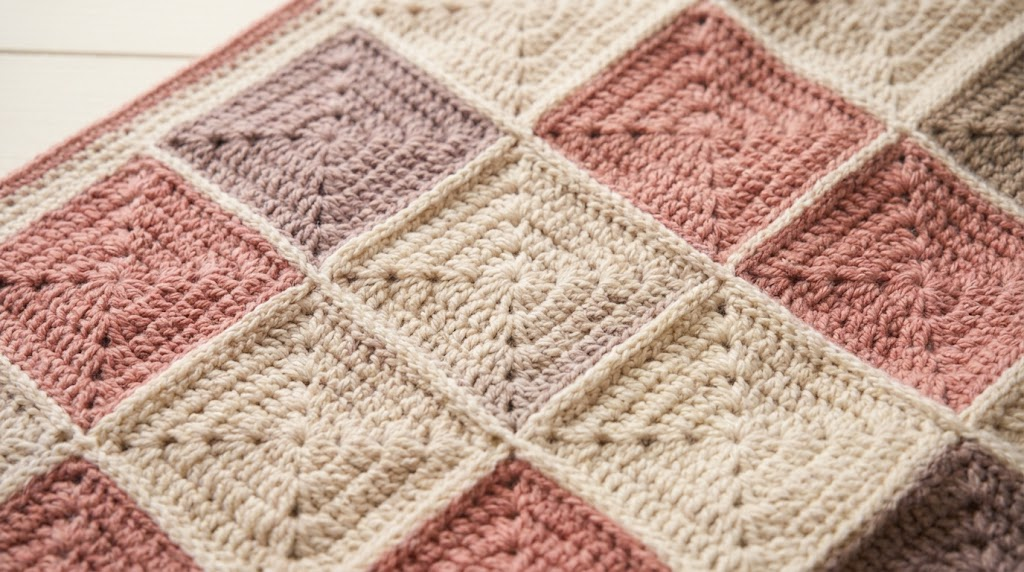
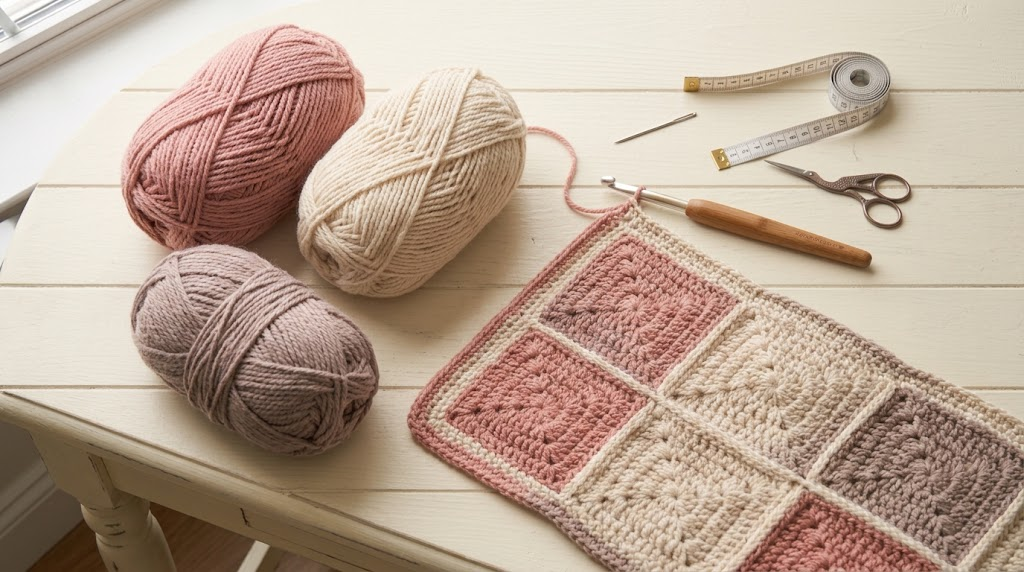
For a soft, modern appearance, I particularly like combinations that include one neutral color and two contrasting shades. For example:
- Warm ivory + dusty rose + muted brown
- Cream + blush pink + soft taupe
- Beige + terracotta + ivory
- Cream + sage + warm gray
- White + mauve + caramel
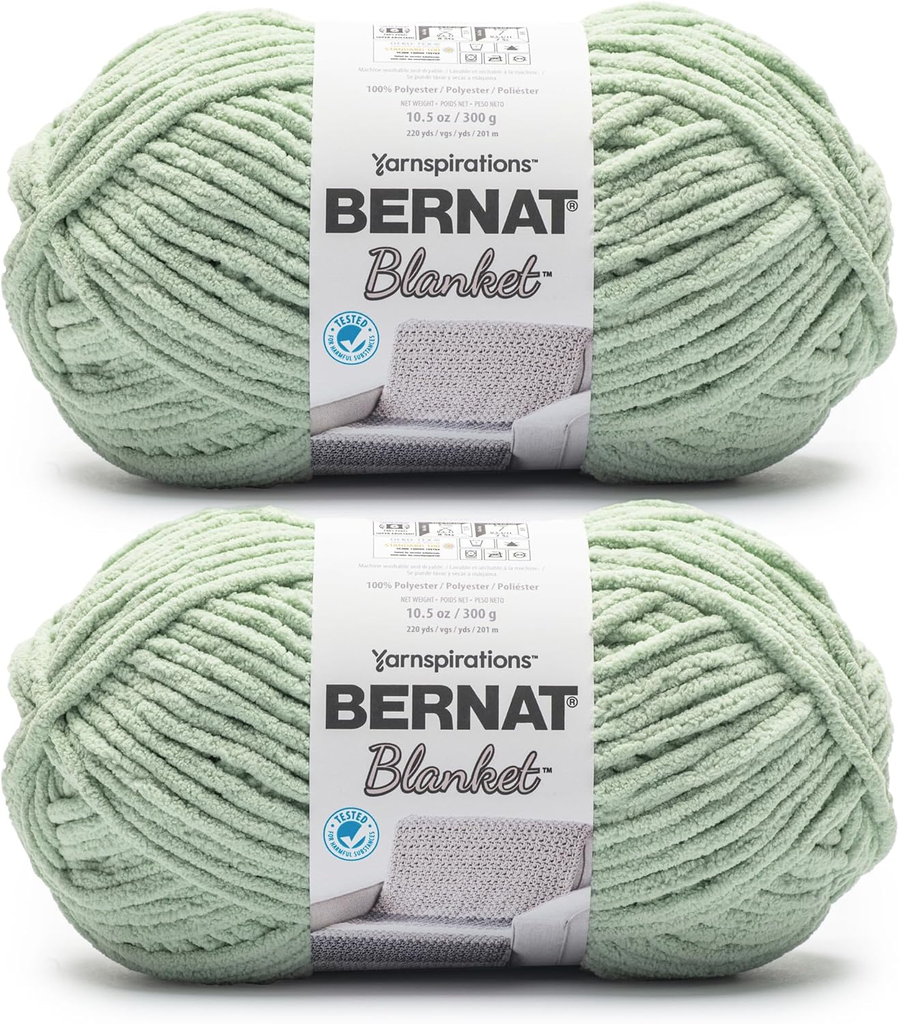
The original inspiration for this style uses super-bulky yarn in three colors, including Bernat Baby Blanket and Bernat Blanket yarn, paired with a 10 mm hook.
For my own approach to this type of design, I would keep the color palette simple rather than choosing five or six shades. Too many colors can make the geometric pattern harder to see.
Why bulky yarn works well
Chunkier yarn has another advantage: the blanket grows relatively quickly.
If you are making a blanket as a gift, this can be especially helpful. You can see the design develop after only a few rows instead of spending days building a small section.
However, bulky yarn can also make mistakes harder to notice.
That is why I recommend checking your stitch count regularly.
A simple rule I like to follow is:
Stop, flatten the blanket, and look at the pattern every few rows.
When the blanket is sitting flat, you can quickly see whether the diamonds are developing evenly.
My yarn-buying tip
Before purchasing several skeins, check the yarn label for:
- Yarn weight
- Recommended hook size
- Yardage
- Care instructions
- Dye-lot information
If possible, buy enough yarn from the same dye lot for the project. Even when two skeins have the same color name, slight dye-lot differences can sometimes be noticeable.

2. Understand the Diamond Structure Before Starting the Full Blanket
The second important point is understanding how the diamond effect is created.
You do not need to think of each diamond as a separate piece.
Instead, think of the blanket as repeating horizontal sections.
The basic idea is:
single-color section → two-color section → single-color section → contrasting two-color section
As these sections repeat, the color placement gradually creates the illusion of diamonds.
The inspiration pattern uses half-double-crochet clusters and alternates single-color rows with rows where two colors are carried and changed.
This is a clever technique because the finished blanket looks complex while the underlying stitch structure remains fairly repetitive.
A beginner-friendly way to think about it
Imagine that your blanket has three colors:
Color A: neutral cream
Color B: dusty rose
Color C: warm brown
Instead of randomly changing colors, establish a sequence.
For example:
- Rows 1–2: Color A/B
- Rows 3–4: Color B
- Rows 5–6: Color B/C
- Rows 7–8: Color C
- Rows 9–10: Color C/A
The exact stitch repeat can be designed around your preferred width and diamond size.
The important lesson is that color placement creates the geometry.
Make a small swatch first
This is one step I would never skip.
Make a small sample using your chosen yarn and hook.
Your swatch should help you answer three questions:
- Do I like the texture?
- Are my colors contrasting enough?
- Is my tension creating the size of diamond I want?
It is much easier to change your hook or yarn before making 20 rows of a blanket.
3. Learn to Change Colors Without Creating a Mess
This is probably the most important skill when making a diamond crochet blanket.
Geometric crochet patterns can require several color changes, and beginners often worry that the back of the blanket will become covered with knots and loose ends.
Fortunately, you can make color changes much cleaner by planning them.
When switching colors during a stitch, I recommend changing the yarn near the completion of the stitch rather than finishing the entire stitch with the old color and attaching the new color afterward.
For a half-double crochet, for example, you can begin the stitch with one color and complete the final pull-through using the next color.
This creates a smoother transition.
The source pattern also carries one color while working with another in its two-color rows, which helps reduce the number of ends that have to be woven in later.
Keep your yarn organized
Multiple skeins can become tangled surprisingly quickly.
I recommend keeping each color on its own side.
For example:
Left: cream
Center: dusty rose
Right: brown
When you need to change colors, bring the working yarn across rather than repeatedly spinning the skeins around each other.

If your yarn begins twisting, stop and untangle it immediately.
It is much easier to fix a small tangle now than a large knot after several rows.
One of my favorite beginner tricks
Before starting the blanket, place your three skeins on the floor or a large table and practice moving between them.
It may sound unnecessary, but it gives you a feel for how the yarn travels.
After a few rows, color changes become much more natural.
4. Keep Your Diamonds Even and Your Edges Straight
A diamond pattern looks best when the shapes line up.
The easiest way to achieve that is not by crocheting faster—it is by maintaining consistent tension.
If some rows are tight and others are loose, the diamonds can become uneven.
Watch your first and last stitches
Blanket edges are another common beginner problem.
You may begin with a beautiful diamond pattern, only to discover halfway through that one side is noticeably wider than the other.
This usually happens because the first or last stitch of several rows has been accidentally skipped or added.
I recommend counting your stitches at the end of every row, especially during the first few repeats.

Once you are comfortable with the pattern, you can count less frequently.
Use stitch markers if necessary
You do not need dozens of stitch markers.
One or two can be enough to help identify the edges or important repeat points.
If you frequently lose track of where the row begins, place a marker around the first stitch.
That tiny step can save a lot of frustration.
Choose a comfortable hook
For a bulky blanket, a large hook is generally needed. The original diamond blanket inspiration uses a 10 mm hook.
For projects like this, I prefer ergonomic hooks because a large blanket means repeating the same movement many times.
One product I would consider for a crochet toolkit is the Clover Amour Crochet Hook Set. The soft ergonomic-style handles make it a practical option for crocheters who regularly work on larger projects and want several hook sizes available.
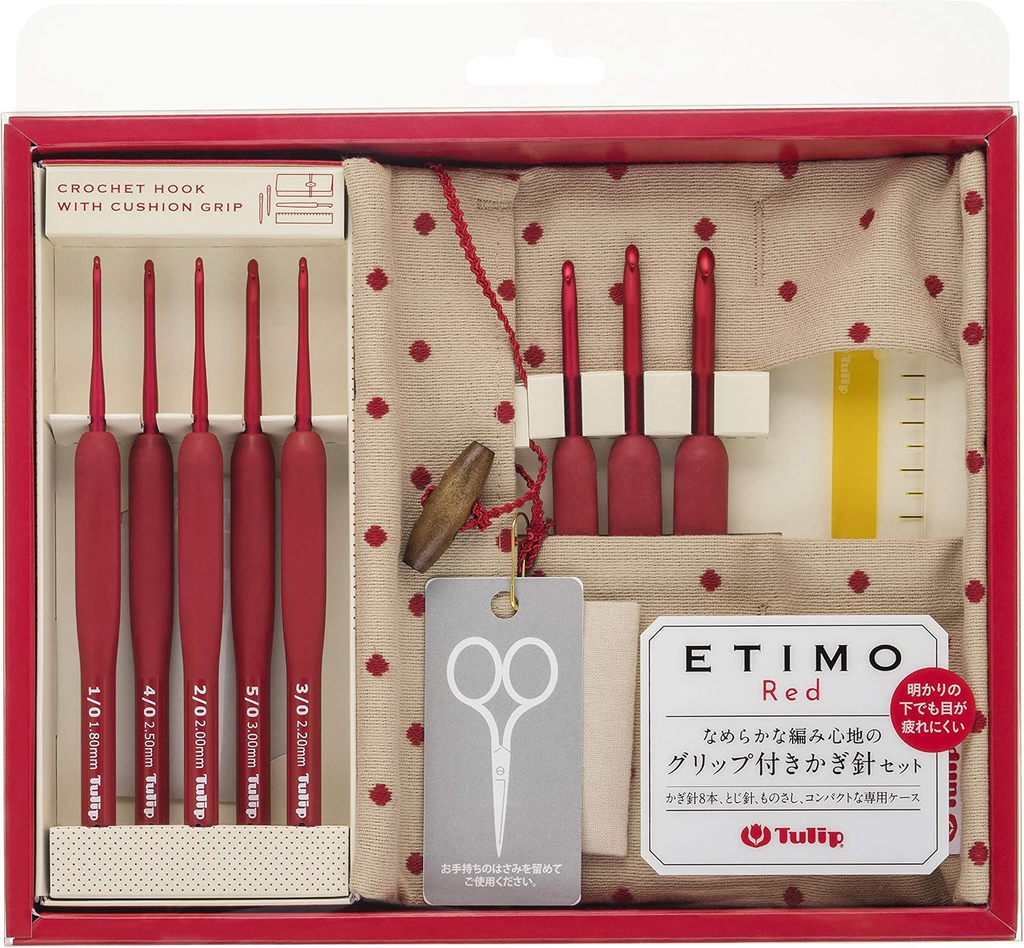
I would still choose the exact hook size according to your yarn label and your personal tension rather than buying a set simply because it is popular.
5. Finish the Blanket Carefully for a Professional Look
Once the final diamond is complete, it can be tempting to immediately call the project finished.
I have found that the finishing stage can make a surprisingly big difference.
The blanket may already look beautiful, but properly handling the yarn tails and edges gives it a cleaner appearance.
Weave in your yarn ends
Use a tapestry needle to weave each end securely through the back of the fabric.
With a multicolor blanket, this step is especially important because color changes can create many loose tails.
Do not simply cut the ends short and hope they stay in place.
Weave them through several stitches, change direction, and then trim the excess.

Consider adding a simple border
A diamond blanket does not necessarily need an elaborate border.
In fact, I prefer a simple border when the center design is already visually strong.
A round or two of single crochet can give the blanket a cleaner edge without competing with the diamonds.
You can use:
- The main neutral color
- The darkest color
- A contrasting accent color
For a soft blush-themed blanket, I would probably choose warm ivory or cream for the border.
Block the finished blanket if needed
If your blanket looks slightly uneven after finishing, gentle blocking can help.
The method depends on the yarn fiber, so always check the manufacturer’s care instructions first.
For acrylic or synthetic yarn, avoid assuming that high heat is safe. For natural fibers, the appropriate blocking method can be different.
The goal is simply to encourage the blanket to lie flat and allow the geometric pattern to look its best.
How Much Yarn Do You Need?
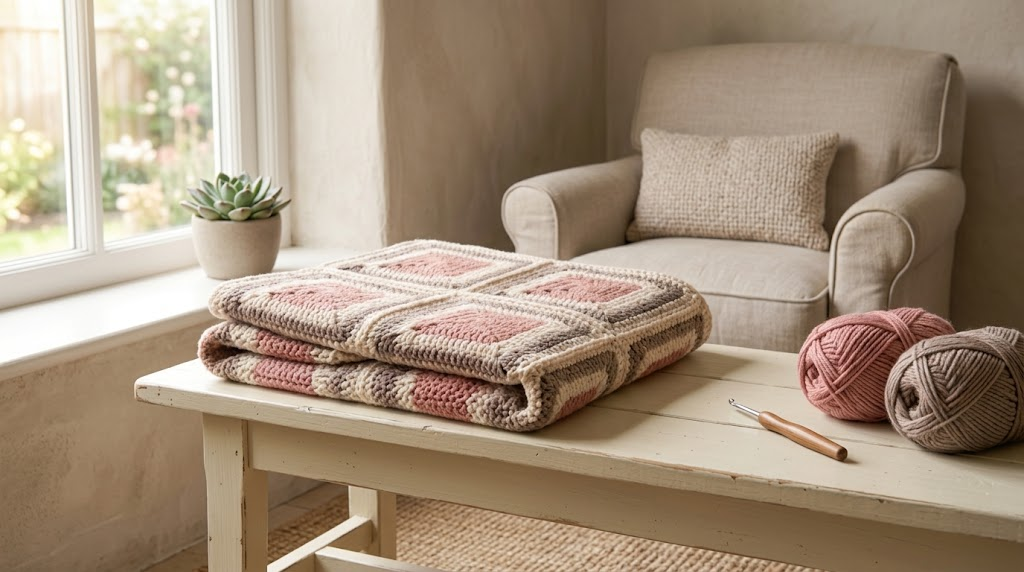
The amount of yarn depends on your finished size, yarn weight, hook size, stitch pattern, and personal tension.
For reference, the source inspiration is approximately 33 inches wide by 36 inches long and uses around 210 yards of each of its three colors.
I would not automatically purchase exactly that amount for a different version.
Instead, decide your finished dimensions first.
A larger sofa blanket will obviously require considerably more yarn than a small baby blanket.
I also recommend buying a little extra if your budget allows. Running out of one color near the end is frustrating, especially if that particular shade is temporarily unavailable.
What Makes a Diamond Crochet Blanket Beginner-Friendly?
At first glance, the geometric design might look advanced.
But once the stitch repeat becomes familiar, much of the project becomes rhythmic.
You are essentially repeating:
crochet → change color → crochet → repeat
The most challenging part is usually not the individual stitch. It is remembering when the colors need to change.
That is why I recommend keeping the pattern beside you during the first several repeats.
After you understand the sequence, you may find yourself barely looking at the instructions.
My Favorite Ways to Customize the Blanket
One reason I enjoy geometric blankets is that you can change their personality simply by changing the colors.
Soft nursery style
Try:
- Blush
- Cream
- Warm beige
Modern neutral
Try:
- Ivory
- Taupe
- Charcoal
Warm autumn palette
Try:
- Terracotta
- Cream
- Chocolate brown
Fresh spring palette
Try:
- Sage
- Ivory
- Soft pink
You can also make the diamonds larger or smaller depending on your stitch repeat.
For a more subtle look, choose colors that are close in tone.
For bold diamonds, choose colors with stronger contrast.
A Few Mistakes I Would Avoid
Don’t change your hook size randomly
Changing hook size halfway through can noticeably change the blanket’s width and texture.
Don’t pull color changes too tightly
A tight carried yarn can pull the fabric inward and make the blanket lose its shape.
Don’t ignore your tension
If your first rows are very tight and later rows become loose, the blanket may develop uneven sections.
Don’t wait until the end to count
Checking occasionally is much easier than discovering a large mistake 30 rows later.
Don’t rush the finishing
Securely woven ends and a neat border can make a handmade project look much more polished.
Final Thoughts
A diamond crochet blanket is a wonderful example of how simple crochet techniques can create a sophisticated finished design.
The trick is not necessarily learning dozens of difficult stitches. It is learning how to combine a repeating stitch structure with thoughtful color changes.
For the yarn itself, a chunky blanket yarn such as Bernat Blanket is worth considering when you want a soft, substantial texture and relatively quick progress.
Ultimately, don’t worry about making your first diamond blanket absolutely perfect. The charm of handmade crochet comes from the fact that it was made stitch by stitch.
Choose colors you love, keep your tension comfortable, take your time with the color changes, and enjoy watching those little sections gradually turn into beautiful diamond.